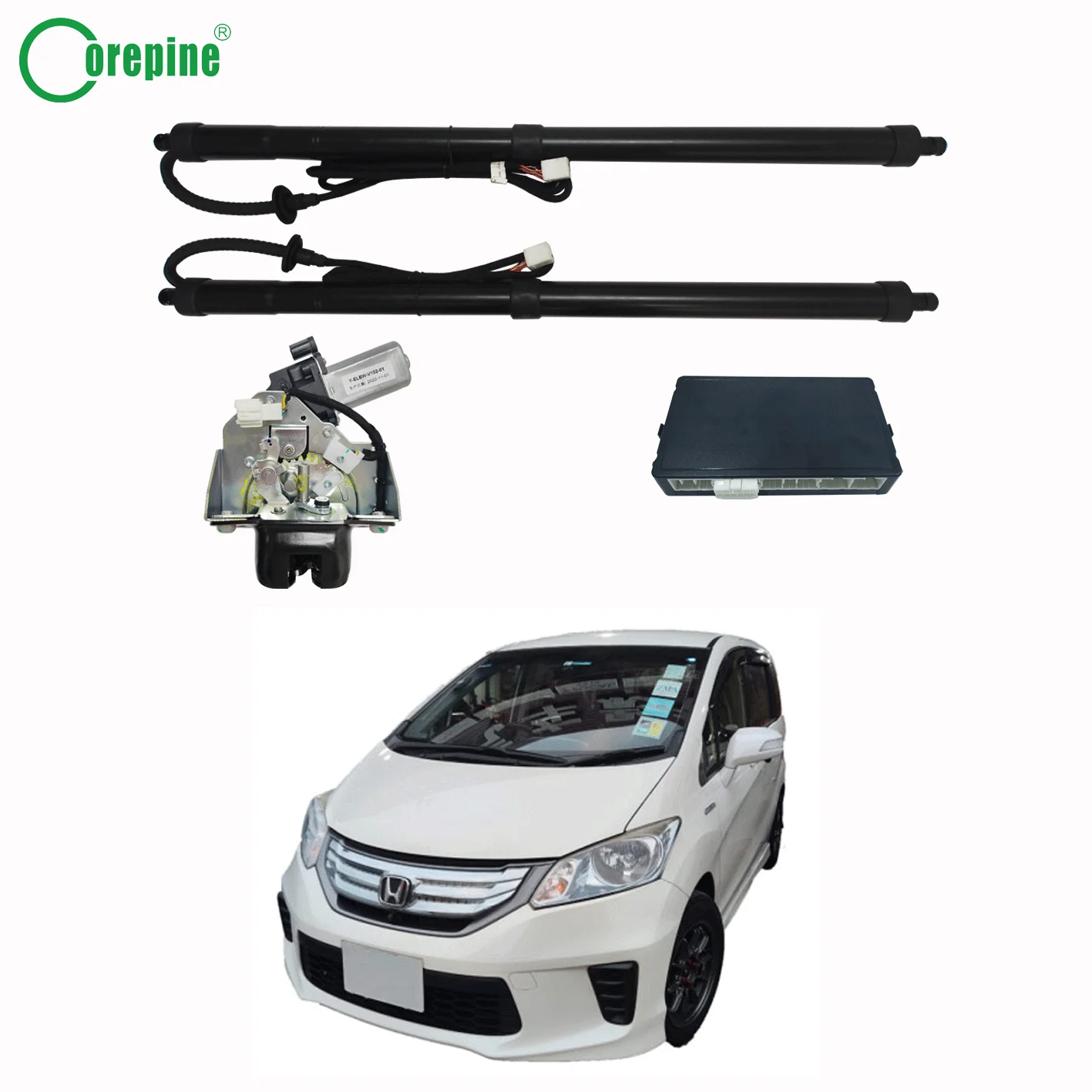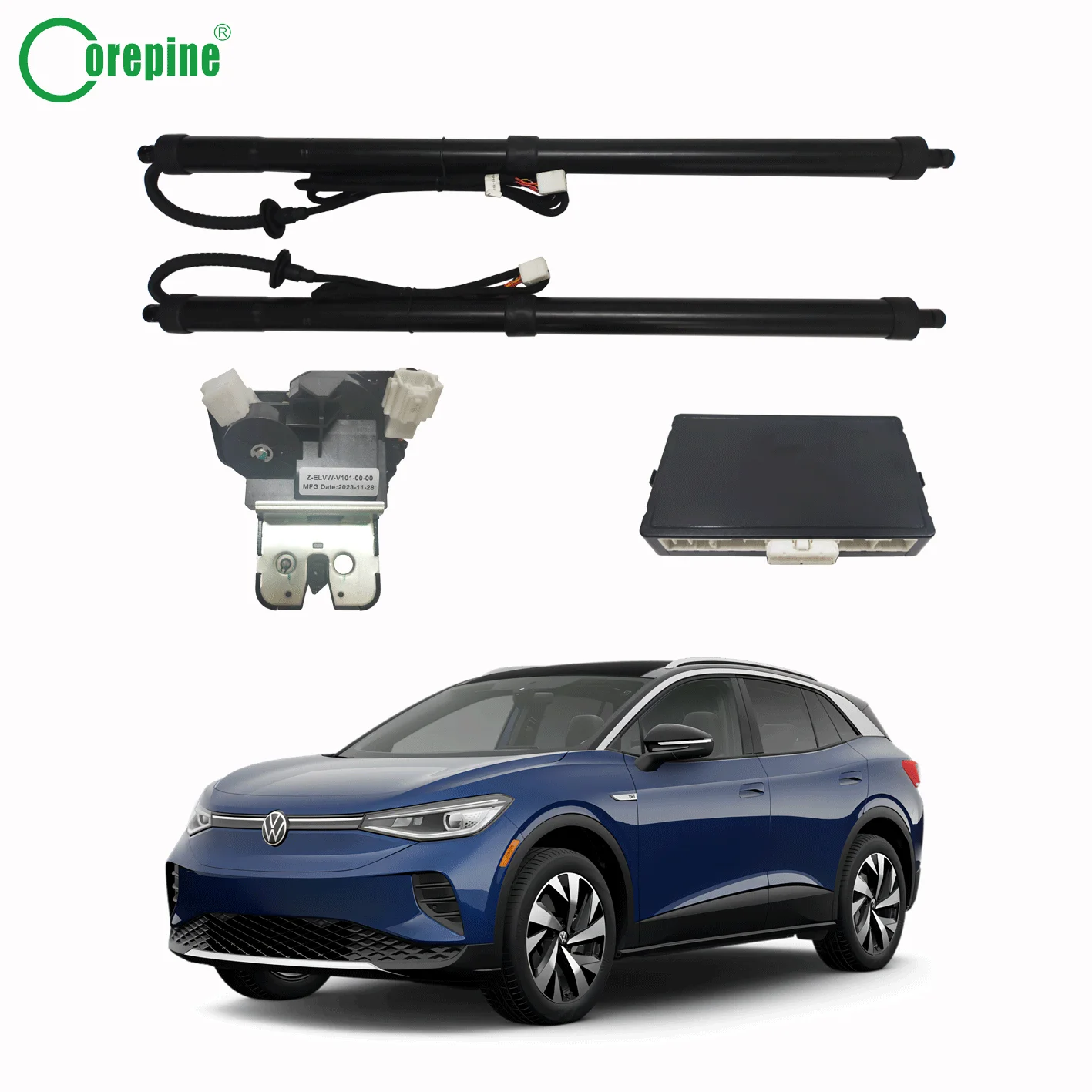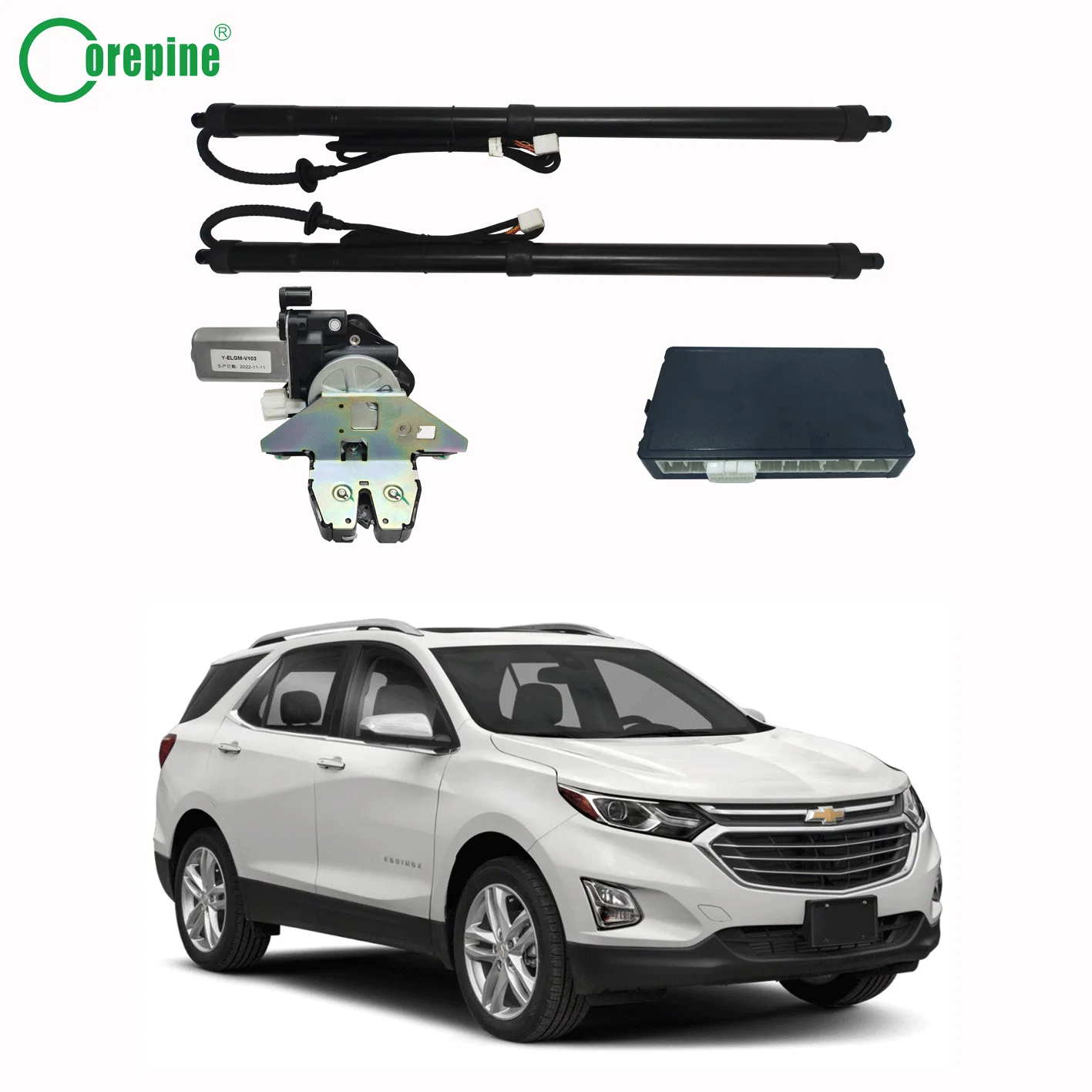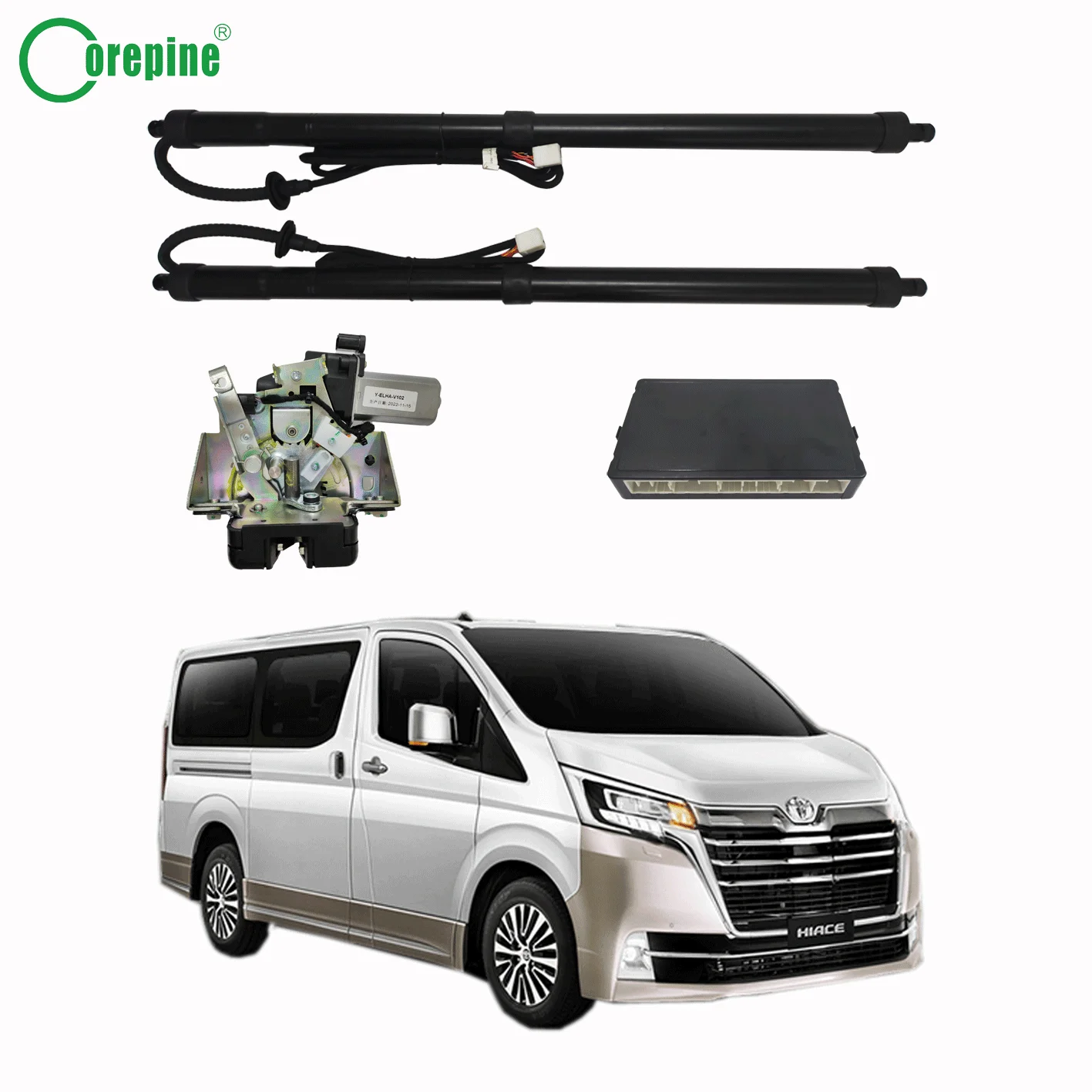
Stepping into the wholesale automatic tailgate market feels a bit like walking into a crowded trade show. Everyone is promising the best quality, the fastest delivery, and the lowest price. But anyone who has been in the game long enough knows that a smooth buying experience does not happen by accident. It takes knowing what to look for beneath the shiny product photos and polished sales pitches. Whether you are a distributor stocking up for a regional market or a fleet manager sourcing for dozens of commercial vehicles, making the right choice comes down to understanding a handful of factors that actually move the needle on profitability and customer satisfaction. This guide walks you through what matters most when sourcing a wholesale automatic tailgate, without the fluff.
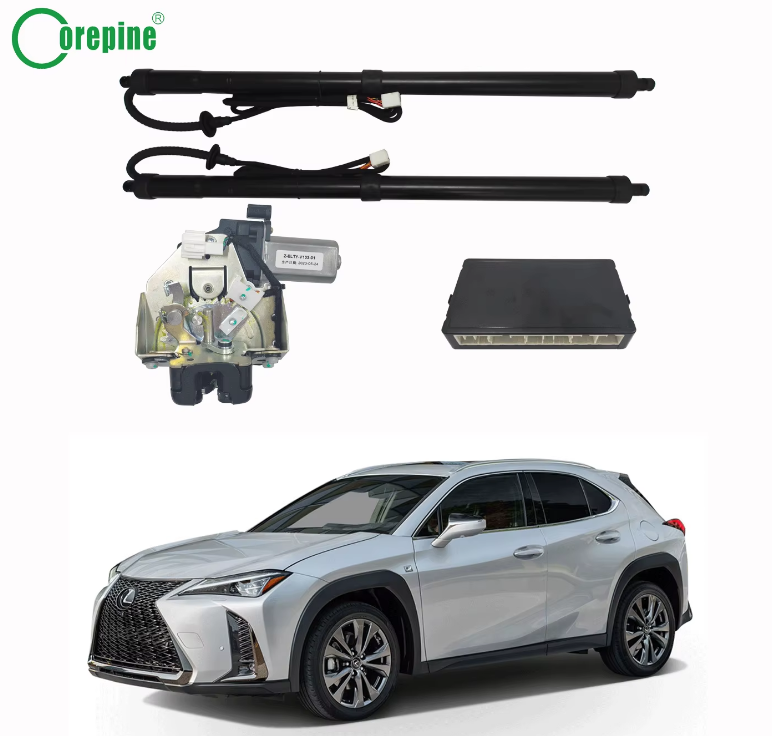
Before you even look at a spec sheet, you need to get crystal clear on who is going to end up using these tailgates. A wholesale automatic tailgate destined for a family SUV owner is a very different proposition from one going into a delivery van that runs twelve hours a day. Passenger car buyers tend to care about things like silent motor operation, kick sensor responsiveness, and how well the system integrates with their key fob. Commercial fleet operators, on the other hand, prioritize load capacity, cycle durability, and how fast the gate opens and closes during stop-and-go deliveries.
Then there is the regional angle. Markets in North America often lean toward hydraulic systems for their robustness, while European buyers frequently prefer electric folding models that suit tighter urban parking. In colder climates, you need to verify that the operating temperature range holds up, with some systems rated from minus thirty to eighty degrees Celsius. Overlooking these regional and application differences is how you end up with inventory that sits on the shelf gathering dust. Smart sourcing means matching the right product variant to the right end user from the start.
Product pages are full of technical jargon, but a few numbers tell you more than a dozen marketing paragraphs. Open and close time is one. A system that takes six to ten seconds is in the sweet spot for most applications, fast enough to feel responsive but not so aggressive that it feels jerky. Running sound below seventy decibels is another benchmark worth remembering, especially for passenger vehicles where a noisy motor will generate complaints.
Cycle life is probably the single most telling durability metric. Look for systems tested to fifty thousand or even one hundred thousand open and close cycles. That is not just a number on a datasheet. It is the result of rigorous stress testing that simulates years of real world use, including exposure to extreme temperatures and vibration. The voltage operating range matters too, particularly if you are sourcing for electric vehicles. Most aftermarket systems are designed for eleven to fifteen volt DC systems, which keeps them compatible with conventional twelve volt architectures while still meeting the energy efficiency expectations of newer EV platforms. Getting familiar with these specs turns you from a casual buyer into someone who can spot genuine engineering from empty claims.
When you are buying in bulk across international borders, certifications are not just paperwork. They are your safety net. If you are supplying the European market, you need to know that the products meet ECE R100 standards. For North America, compliance with ISO 26262 functional safety requirements for the anti-pinch system is non-negotiable. These certifications mean the obstacle detection sensitivity has been independently verified, and that the automatic reversal mechanism will actually stop the gate when it encounters resistance, rather than just being a line in a brochure.
Manufacturers who invest in proper testing facilities are playing a different game. Vibration test benches, environmental chambers that cycle through temperature and humidity extremes, salt spray testers for corrosion resistance, all of these are signs that a supplier is serious about catching failures before the product ships. Certifications like CE, BV, and ISO are table stakes at this level. If a potential partner cannot show you these credentials without hesitation, keep looking. The cost of a safety recall or a container full of warranty claims will dwarf any upfront savings on uncertified stock.
One of the biggest advantages of sourcing directly is the ability to put your own stamp on the product. But customization can go sideways fast if expectations are not aligned from the beginning. A good wholesale automatic tailgate partner should be able to walk you through exactly what is possible, from custom logos and color variations to tailored packaging and even software interface modifications for OEM projects.
The key is clarity on minimum order quantities for customized runs. Some suppliers are flexible, offering tiered pricing that rewards larger orders while still accommodating smaller initial batches for market testing. You will also want to nail down lead times early, since customized orders naturally add some buffer to the production schedule. Ask for samples of previous custom work. Seeing how another brand's logo and packaging turned out tells you more about the supplier's attention to detail than any promise they make over email. When the branding process is smooth, your product arrives looking like it was built for your market, not just relabeled in a hurry.
The true test of a wholesale partnership almost never happens at the point of sale. It happens six months later when a customer calls with an installation question, or a component fails under warranty and needs a fast replacement. This is where you find out what kind of supplier you are really dealing with. A three year warranty signals confidence in the product, but only if it is backed by a support system that can actually deliver.
Look for partners who provide multi-language installation documentation and video guides. These resources dramatically cut down on the time your own team spends troubleshooting basic setup questions. Offline technical support teams that can offer installation training are a massive asset, especially if you are distributing to workshops that have never retrofitted an electric tailgate before. Fast emergency parts supply is another factor that separates professional suppliers from the rest. When a fleet operator has a vehicle out of commission, every day of waiting for a replacement strut or ECU is money lost. Ask potential suppliers pointed questions about their spare parts inventory and average response times. The answers you get, or the hesitation you sense, will be very revealing.
It is incredibly tempting to fixate on the per unit cost and call it a day, but experienced buyers know that the sticker price is just the beginning of the financial story. A cheap automatic tailgate that fails after twenty thousand cycles and comes with a one year warranty is often far more expensive in the long run than a moderately priced unit tested to one hundred thousand cycles with a three year warranty. You have to factor in the cost of warranty claims, the labor for replacements, and the damage to your reputation when your customers feel let down.
Shipping and logistics also play a bigger role than many buyers account for. Some suppliers have optimized their B2B portal with real-time pricing and logistics tools that can help consolidate orders and reduce freight costs. Payment flexibility matters too, especially when you are managing cash flow across multiple product lines. Take the time to map out a realistic total cost of ownership that includes consumables, expected warranty overhead, shipping, and any duties or tariffs specific to your region. When you do that math honestly, the "cheaper" option often stops looking like a bargain and starts looking like a liability. The right wholesale automatic tailgate partner is ultimately one whose product you can install and mostly forget about, because that kind of quiet dependability is what builds a business that lasts.
 Hot News
2024-12-23
2024-12-16
2024-12-09
2025-05-14
2025-05-12
2025-09-30
Experience the ultimate in car convenience with Corepine advanced electric tailgates. Our smart solutions offer effortless cargo access, enhancing your driving experience.
Zhongkai High-tech Zone, Huizhou, Guangdong, China
Copyright © 2025 by Huizhou Yopine Technology Co., Ltd Privacy Policy
 EN
EN