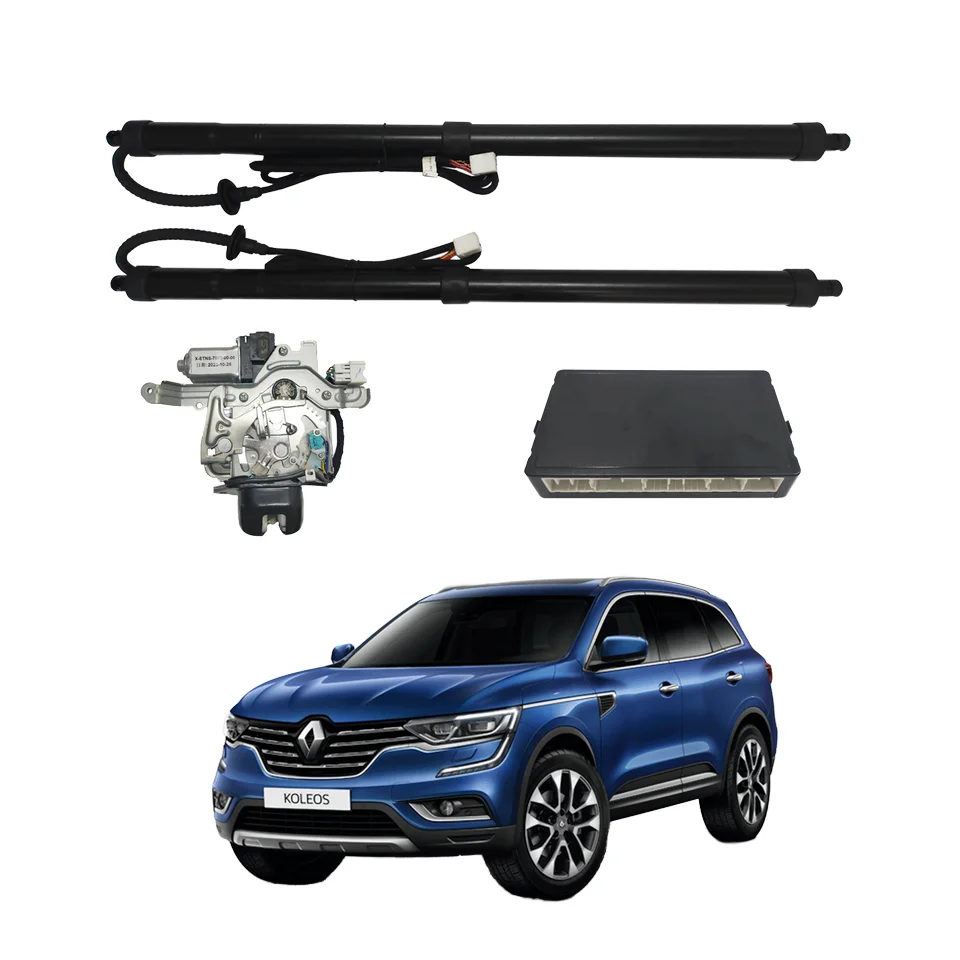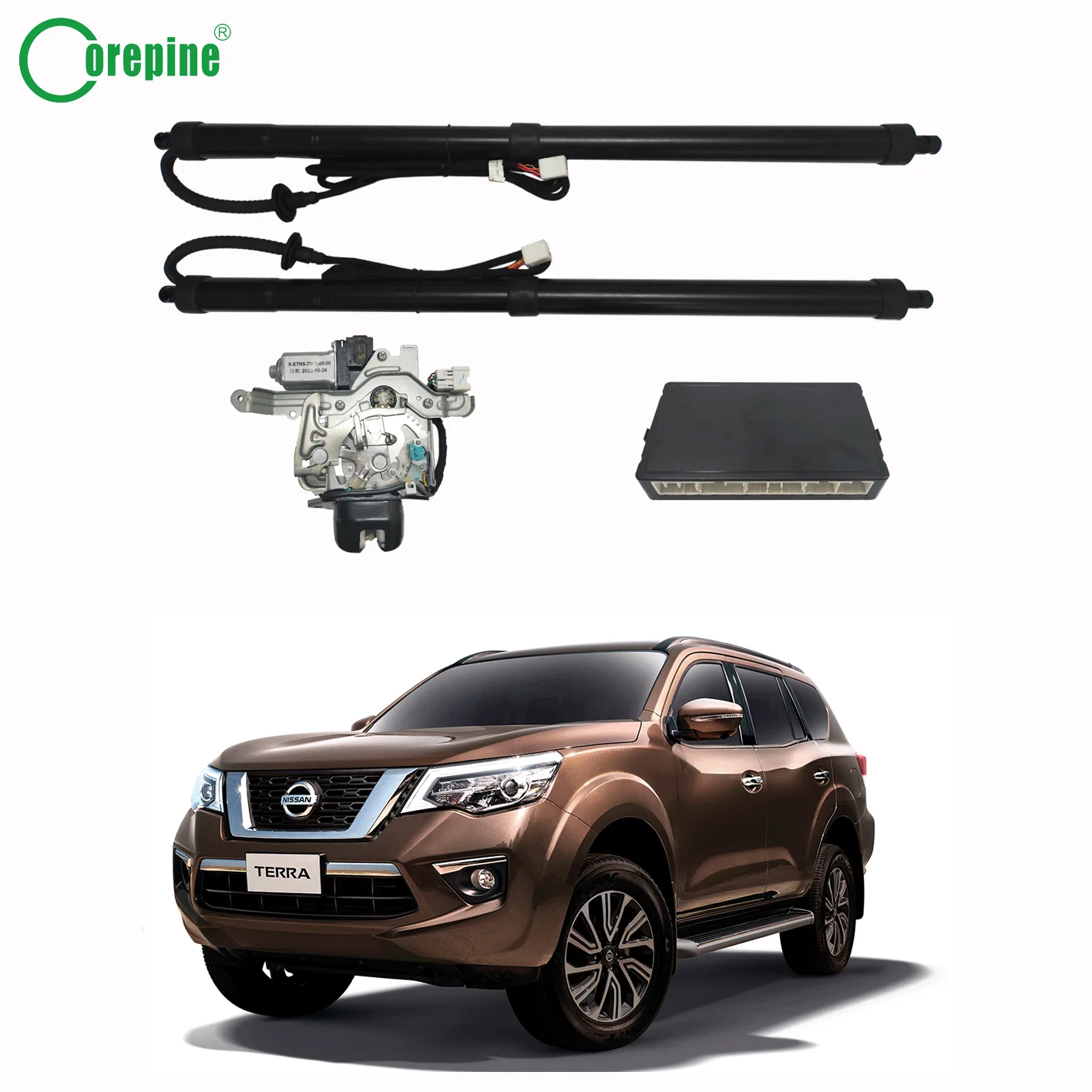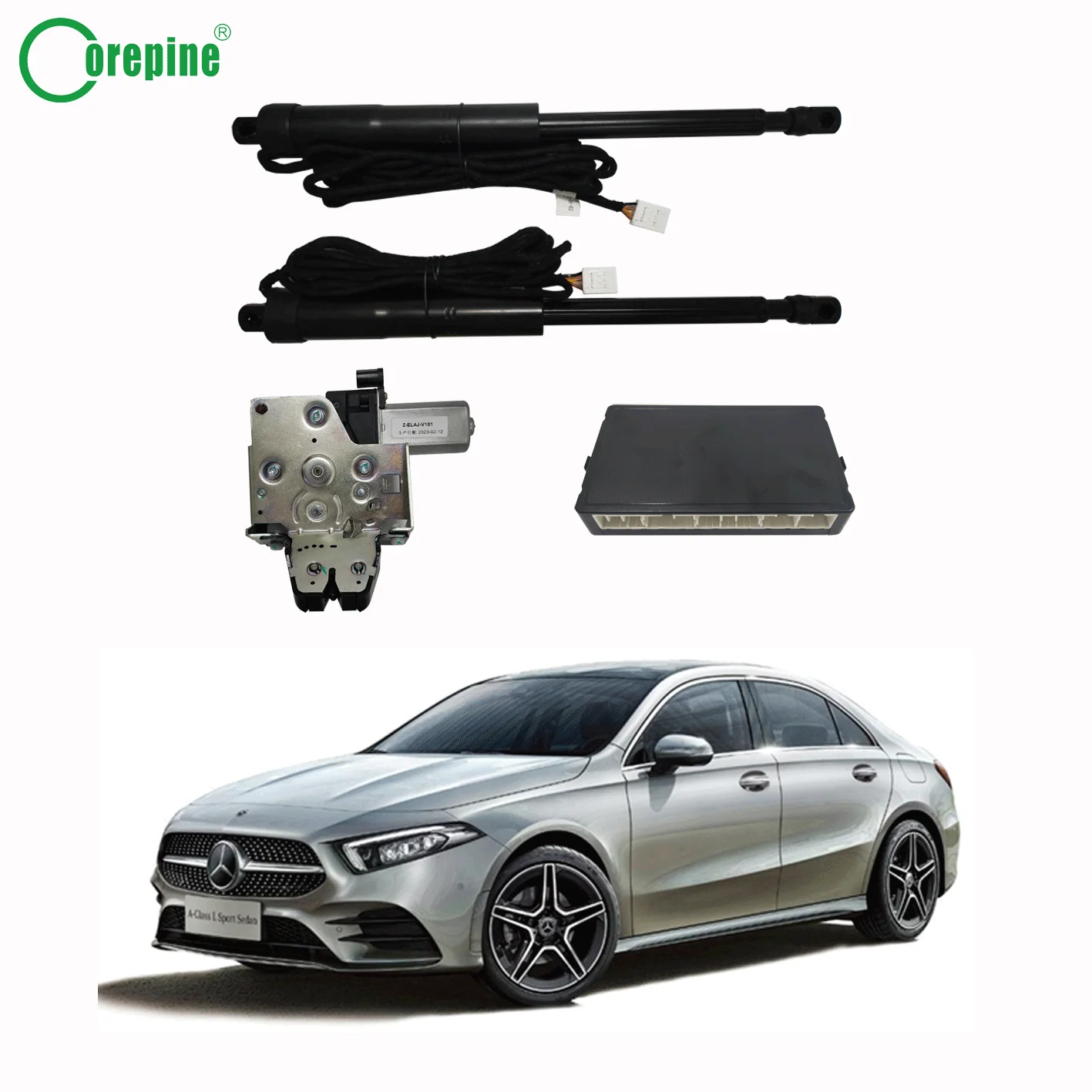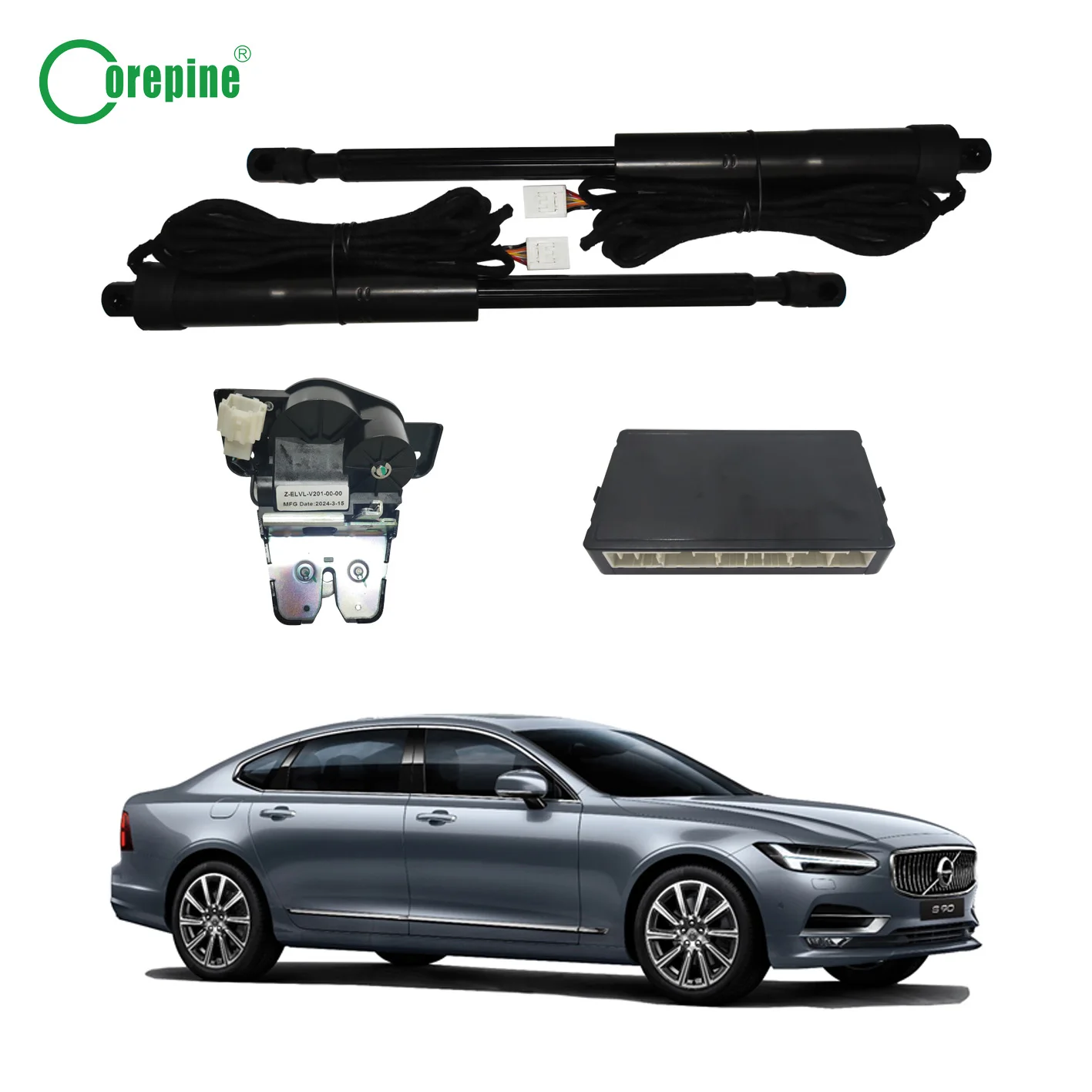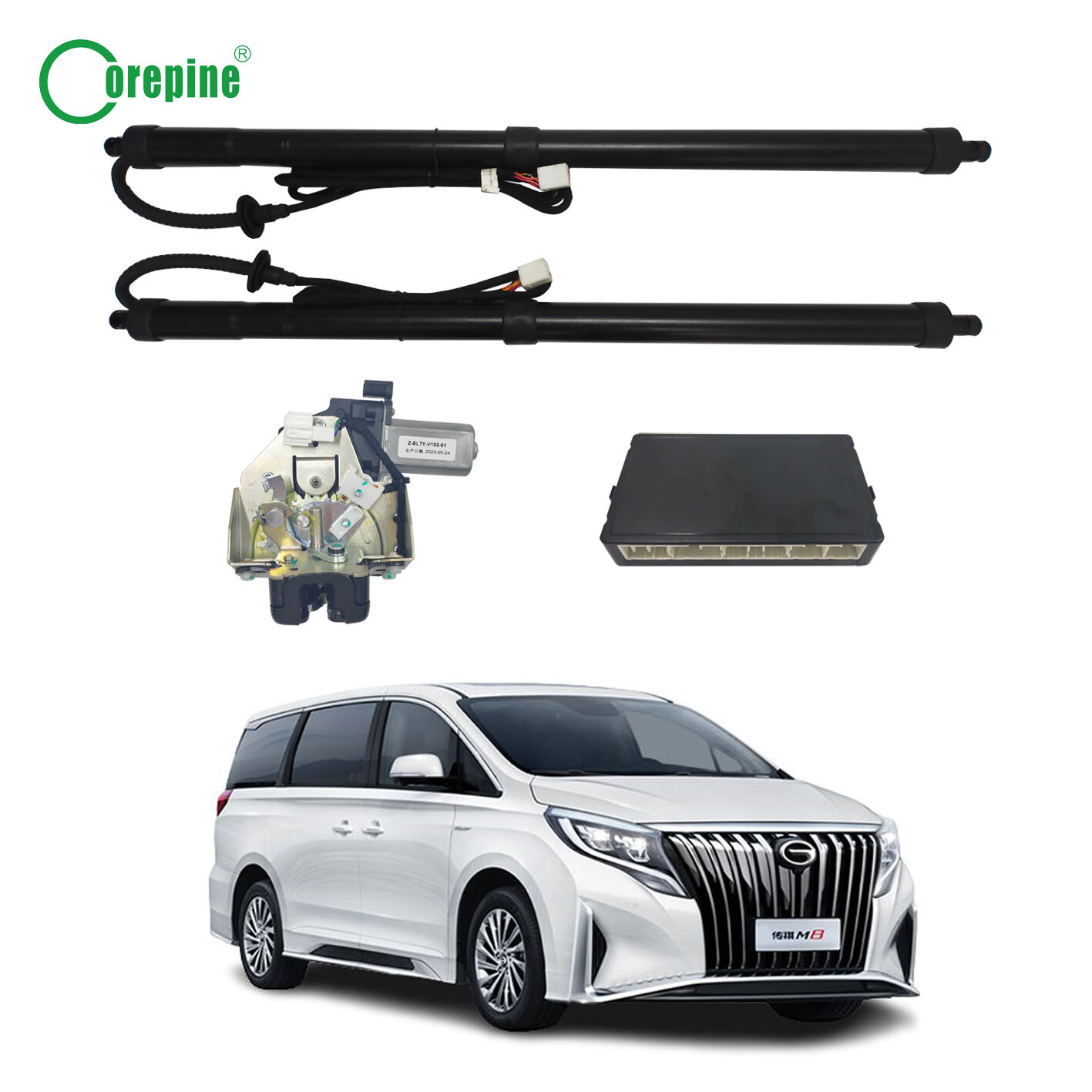
Imagine coming back from shopping, and you got the bags in both hands. You need to open the tailgate, and then you kick the bumper and hold. The tailgate then opens. Does that not seem like magic? Or you are on the couch and press the button on the key to open the tailgate for the delivery. This is just one of the simple, modern inconveniences that we forget. But have you thought about how it works? How do all these heavy materials like metals and composites automatically open?
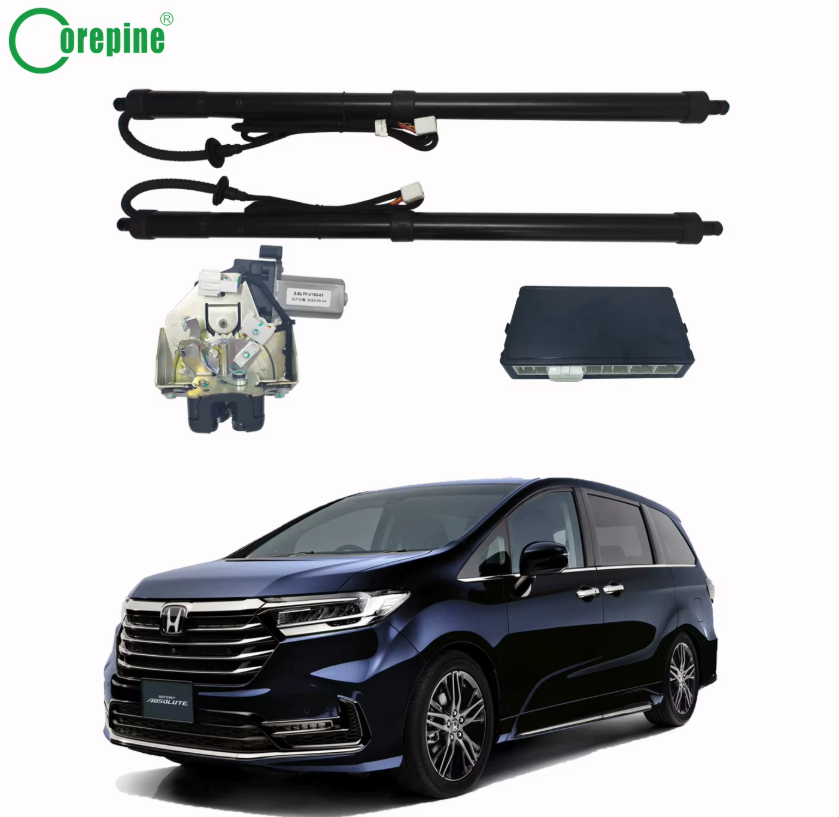
The tail gates are not magic. It is actually a great combination of new mechanics, new electronics, and new software in this field. Your appreciation for the tailgate will grow once you get to know how these tailgates work. This is one of the many fields that the companies like Corepine are in. Corepine started back in 2007 when they started making precise mechanisms for CD and DVD players.
The world revolves around tiny, precise movements. Now, they pour that same passion into developing electric tailgate systems. Let's take a friendly look under the hood of the processes involved.
The core of every smart automatic tailgate is its brain, a tiny computer typically referred to as the electronic control unit, or ECU. This unit is on constant standby. Since it is linked to the main computer network of your car, it has access to information like whether or not the car is in park or on the move. Additionally, it is monitoring signals from you.
Each time the button on your key fob is pressed, an encrypted radio signal is sent. The control unit for the tailgate has a specific signal assigned to it. It then replies, "Yes, let's do it!" However, it has to complete an additional step before it proceeds. The control unit then asks the system, "Are we parked PROPERLY?" It will ask its sensors to complete an 'obstruction check'. The tailgate will only receive power to 'pull' once the system goes green. It is the electronics behind the tailgate that ensure it only moves when it is OK to do so.
An automatic tailgate's muscle, or power, comes from a compact electric motor. This is no ordinary motor, however. It is designed to operate at very specific tolerances and throughout its operational lifetime, it will most likely operate hundreds of thousands of times, and the motor has been designed to ensure that it will do this smoothly and quietly.
This motor is integrated into a drive mechanism which, in most applications, utilizes robust, threaded drive rods or lead screws. The motor's rotational motion is converted into linear motion, analogous to a linear actuator, such that the screws gradually open or close the tailgate. Some other drive mechanisms rely on high pressure gas struts combined with an electric pump, however the ideology is the same, offering a controlled, powerful, and smooth operation. The entire system is engineered to perfectly match the specific tailgate's weight and dimensions, ensuring that the movement is smooth and consistent, without any sudden changes in speed.
The tailgate's intelligence is attributed to a robust sensor system that is capable of tracking the tailgate's location and movement. The system can also identify any objects that may obstruct the tailgate's movement. In modern engineering applications, these systems utilize a robust network of sensors.
The tailgate has position sensors to monitor its status in order to determine if it is open, closed, or partially open. This is how it can remember a customized opening height, such as an opening for a low garage ceiling, as these sensors allow it to determine to what height the tailgate has opened. Of course there are also safety sensors and among the most important are the anti pinch sensors. These sensors work by tracking the tailgate's motor current. If the tailgate encounters an obstacle, the motor has to work harder than normal resulting in a brief spike in current. This is detected by the control unit which promptly reverses the motor, causing the tailgate to open instead of closing. This all occurs in less than a second. Other sensors can also identify a greater level of sensitivity due to pressure sensors being placed around the edge of the tailgate. For the hands free sensors, a separate device which typically employs either radar or ultrasonic waves is integrated into the bumper to establish a detection zone. If a foot is moved in a specific way to interrupt the detection zone, the system is activated.
Reliability is equally as important as the smart features in integrated tailgates. Smart features are now expected to perform regardless of cold winters or scorching summers. Smart tailgates should continue to work for the lifespan of the vehicle. The commitment to quality and years of experience is where the difference in companies is most pronounced.
Engineering-focused companies with big R&D departments do serious work on the systems and components in the tailgates. Their systems undergo rigorous testing where motors are cycled thousands of times to replicate years of use. The electronics are tested through extreme high and low temperatures. The systems are subjected to rain, snow, and mud, and the sensors are tested in all extremes in order to be sure that the systems will work optimally. These companies built their systems to be used and to be enjoyed and to provide the convenience that is expected from them without customers having to think about the system or worry about reliability.
How do all these components work together in one, synchronized action? Let's visualize it. Suppose you walk up to your vehicle with some cargo in your hands and kick your foot underneath the bumper. Motion is detected by the bumper sensor and relayed as an event to the control unit. The control unit processes an event with the vehicle, confirming that it is parked and safe. Subsequently, it powers the electric motor. The motor rotates and the drive screws engage, initiating the upward movement of the tailgate. As the tailgate is rising, position sensors provide the control unit with tailgate position data, while the motor is active and the tailgate is not in the fully open position. When the tailgate reaches the fully open position, the motor deactivates and a latch mechanism locks the tailgate in place.
To close the tailgate, a button on the tailgate is pressed. A signal is sent to the control unit to check the location of the anti pinch sensors, and to run the motor in reverse. The tailgate will close. If a curious dog runs underneath the tailgate while it is closing, the system will detect the extra resistance and will reverse the direction of the tailgate, keeping the dog's safety a priority. Many systems use motors to reverse close, and to check the anti pinch sensors, and use a silent and fast working technology system that are to help ease the customer's life.
The automotive world continues to evolve, and the same goes for tailgate technology. You can now control your tailgate system and open it from anywhere using a smartphone. Systems are being developed to use GPS and automatically prepare to open the tailgate when you approach. You will no longer feel like you are using a machine. You will feel like you are using a smart and intuitive system.
Next time you see an automatic tailgate open, you will understand the clever engineering involved. It exemplifies the culmination of precision mechanics, intelligent electronics, and powerful software, combined to deliver a solution that is seamless, intuitive, and tremendously convenient for the end-user. It is a small marvel of today's engineering, functioning so that you don't have to.
 Hot News
2024-12-23
2024-12-16
2024-12-09
2025-05-14
2025-05-12
2025-09-30
Experience the ultimate in car convenience with Corepine advanced electric tailgates. Our smart solutions offer effortless cargo access, enhancing your driving experience.
Zhongkai High-tech Zone, Huizhou, Guangdong, China
Copyright © 2025 by Huizhou Yopine Technology Co., Ltd Privacy Policy
 EN
EN